When nobody can hear who is speaking
Comparative study: human narration versus AI-generated content
A blinded study of 1,005 U.S. audiobook listeners pits single-narrator human recording against multi-voice AI production. The result is more nuanced than either camp would have liked. And it moves the question away from the technology and towards the listening experience.

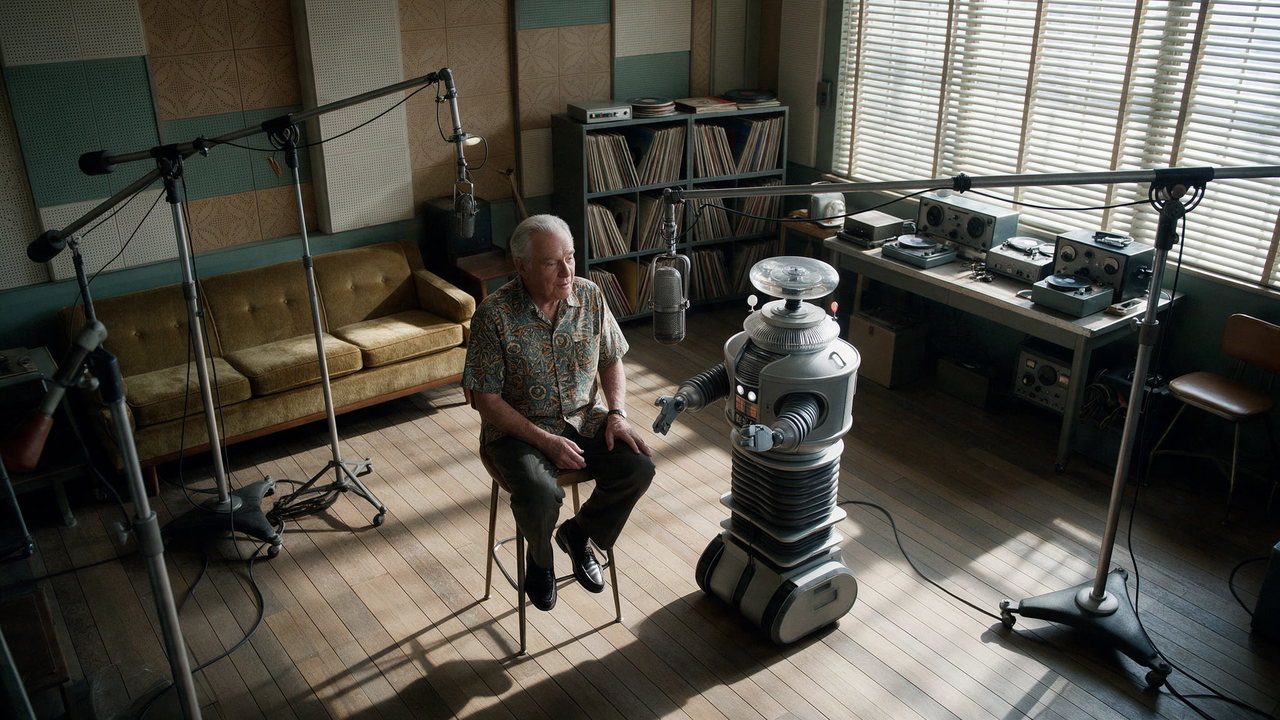
Published: 24 Sept 2026 | Photo: AI-generated, Magnific
In May 2026, Edison Research at SSRS surveyed 1,005 U.S. fiction audiobook listeners aged 18 and over online, commissioned by the AI audiobook provider Spoken. Participants were randomly split into two groups: 502 heard excerpts from a science-fiction thriller read by a professional human actor, 503 heard the same passages in the multi-voice AI production Spoken Multi-Cast. Crucial to the robustness of the design: AI was never mentioned before the ratings were given. Both groups were weighted to match the demographics of audiobook consumers as established by The Infinite Dial 2026, and additionally weighted to match each other. Read more on the study itself.
What listeners expect from narration
Before anyone had heard a single clip, the survey showed a clear preference for multiple voices. Seventy percent expressed interest in hearing distinct voices for each character, 65 percent in gender-matched casting, 63 percent in authentic accents. Sound effects (53 percent) and background music (45 percent) follow at some distance. Among frequent listeners, interest in distinct character voices rises to 81 percent, and just over half of that group is very strongly interested. In other words, the heaviest users of the classic single-narrator audiobook are the ones asking most clearly for something else.
The ranking of arguments that make an AI production acceptable is where things get interesting for marketing. At the top are improved production quality (51 percent) and greater immersion (49 percent). A lower price convinces 44 percent, a celebrity voice only 38 percent, putting it last on the list.
The blind test: two winners
The excerpts covered two narrative situations. In the pure exposition passage with a single narrator, the human recording led in every category, with top ratings for narration quality at 65 versus 58 percent, and likewise for overall preference, likelihood to listen and engagement. In the dialogue scene with multiple characters, the picture reversed completely. Here the AI version won every single category, most clearly in voicing different genders (65 versus 51 percent), but also in quality, character differentiation, accents, preference and engagement.
None of this showed up in purchase intent. Forty-six percent of the AI group and 49 percent of the comparison group said they would likely buy the audiobook after hearing the excerpt. Within the margin of error, that is the same figure.
The identification rates are remarkable: 61 percent of those who had heard the AI version took it for human. Conversely, 35 percent of those who heard the human recording wrongly classified it as AI.
What the reveal triggers
At the end of the survey, the AI group was told what it had actually heard. Beforehand, general willingness to listen to an AI-produced audiobook stood at 31 percent. Immediately after listening, but still unaware of how the recording was made, 65 percent said they would listen to an audiobook with that narration. After the reveal the figure dropped to 41 percent, but remained a third above the starting point. The largest gains came from the most sceptical groups: listeners aged 55 and over rose from 22 to 35 percent, women from 27 to 39 percent.
The open-ended responses illustrate the effect. "Doesn't sound authentic" became "there may be some I can listen to"; "totally fake" became the observation that the respondent could not tell the voices were AI generated.
Putting it in context
The study compares multi-voice AI against a single-narrator production, not against a human full-cast recording. That criticism came up repeatedly in the Q&A of the accompanying webinar. Megan Lazovick of Edison justified the design as a comparison against the market standard; Spoken founder Philip Marshall drew the parallel to medical research, which always tests against established care. Michele Cobb (Forté Business Consulting), who moderated the Q&A, pointed out that this standard is currently shifting, with duet and multi-cast productions on the rise.
The study names further limitations itself. What was rated were short excerpts, not an audiobook running thirteen and a half hours. One title in one genre was tested. And the figures cannot be transferred one-to-one to the German-language market.
What remains is a solid snapshot with two practical consequences. First, multiple voices are a product promise listeners actively ask for, regardless of how they are produced. Second, anyone marketing AI productions should talk about quality and immersion, not about savings. And labelling remains mandatory. The AI Narration Naming Guidelines, developed by the Audio Publishers Association together with the Audio Publishers Group of the UK Publishers Association, are the reference framework for that.