Spotify sets out the global cake buffet for audiobooks
Spotify plans to launch audiobooks in more than 180 markets by the end of the year
From 7 October, Spotify rolls out audiobooks worldwide. By the end of the year, more than 750 million people are meant to be able to stream or buy a book on the platform, and the catalog will span more than 120 languages. German-speaking markets have been on board since April 2025.
Published: 6 October 2026 | Photos / Video: Spotify
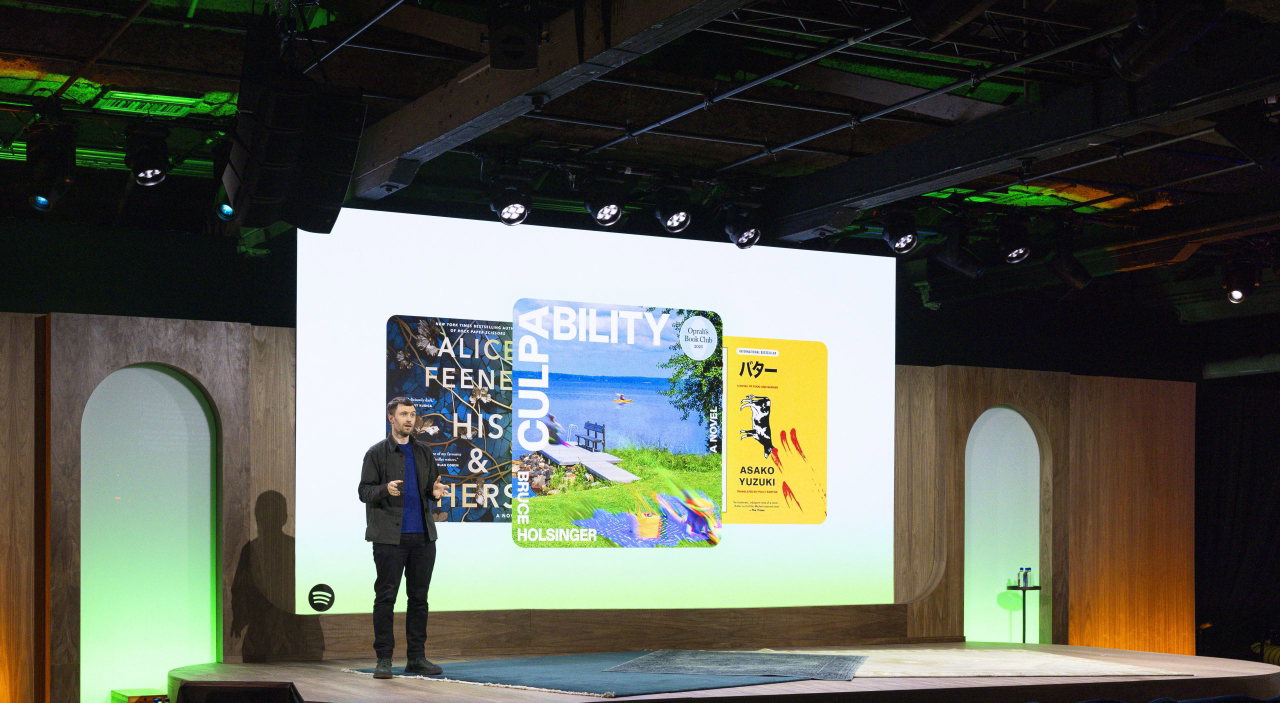
Spotify is taking its audiobook business global. At a press event, Owen Smith, who leads books at Spotify, announced: "Spotify is expanding audiobooks to more than 180 markets by the end of this year." So far, audiobooks have been available in 22 markets. The phased rollout begins on 7 October, and by the end of November audiobooks are to be live across Europe, the Americas, the Caribbean, the Middle East, Africa and Asia.
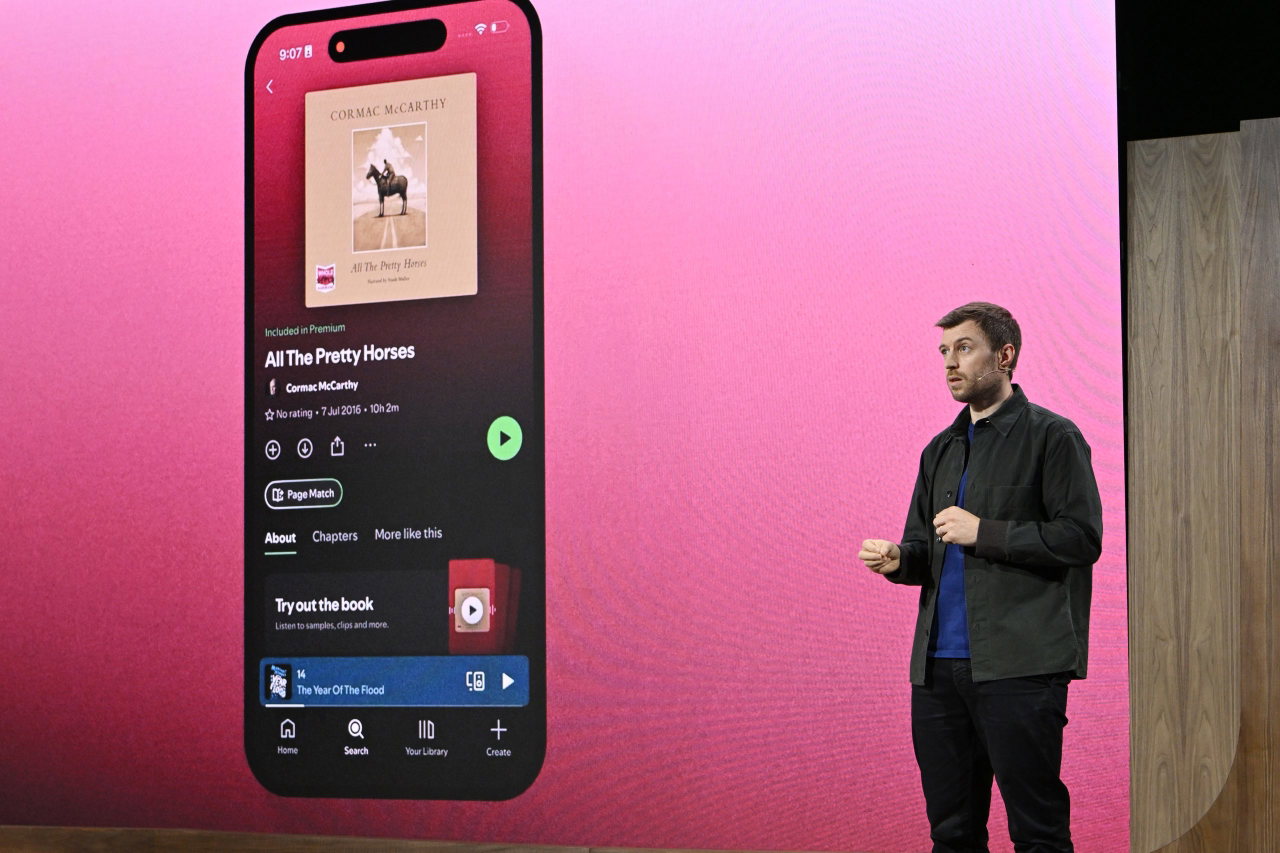
Owen Smith, Vice-President and Global Head of Audiobooks, had already described rapid expansion in the books sector at Spotify’s Investor Day in May.
Three ways to access
Spotify customers should also be able to access audiobooks in these new markets in three different ways:
Audiobooks in Premium: Eligible subscribers get a monthly allowance of 12 listening hours. "With the average book running around 10 hours," Smith said, this lets people explore a wide range of titles every month. The model launches in countries including Italy, Spain, Portugal, Brazil, Mexico, Colombia, Poland, Chile, Norway and Peru.
Audiobooks Plus: A subscription any listener can add to an existing plan, available globally. It will also be the primary way to access audiobooks in Africa, Asia and Argentina.
Individual purchase: Whether on free, Premium or Audiobooks Plus, listeners can buy a title outright.
Local catalogs at the core
In the new markets, listeners will have access to a catalog of more than 350,000 titles, including titles in local languages. New catalogs are being added in Spanish, Portuguese, Italian and Polish, bringing the total to over 120 languages. Spotify says it works with almost 300 publishers worldwide, including new partners such as Mondadori. Local publishers and self-published authors will be able to upload titles in their own language through Spotify for Authors.
In Mexico and Colombia, audiobooks go live on 7 October with over 45,000 local-language titles, as Niamh Parsley, Head of Product & Design, Audiobooks from Spotify confirmed in the Q&A. Brazil follows on Thursday, 15 October, with a Portuguese catalog of more than 6,000 titles.
"Nearly six in ten Spotify users have now tried an audiobook"
A conversation between Nathan Hull and Duncan Bruce of Spotify in the run-up to Audio @BolognaBookPlus

The platform advantage
Spotify's central argument is the combination of music, podcasts and audiobooks in a single app. "Spotify offers something that no audiobook-only platform can," Niamh said. Recommendations draw on listening signals across all three formats, which should help books reach people who would never have searched for them.
Page Match, which lets users switch between a print book or ebook and the audiobook by scanning the page, plays a major role. Niamh said that users "get through their books two and a half times faster each month," and that two thirds of Page Match users are under 35. Countdown pages let listeners pre-save an upcoming audiobook as they would an album, and audiobooks are part of Spotify Wrapped, though the new markets will join only next year.
All partnerships are non-exclusive. "Authors and publishers don't need to lock themselves into exclusive deals," Niamh said.
The German-speaking market as a template
For the DACH region, the news is no surprise. Audiobooks have been part of Premium there since 15 April 2025, also with 12 hours per month and optional 10-hour packs for €9.99. At the time, 350,000 titles were available, around 60,000 of them in German. Even then, Spotify said it was only launching where it saw the chance to grow the market.
German publishers had high expectations. Bookwire co-CEO John Ruhrmann pointed out that more than half of the German audience had never listened to an audiobook. Lübbe Audio hoped to win back listeners who grew up with radio plays and then drifted away, and Penguin Random House stressed that curation would be decisive. The same questions now apply to the new markets: how will titles be discovered, and how can publishers reach audiences beyond today's audiobook listeners?
Growth as the rationale
Smith pointed to the numbers since the Premium launch almost three years ago: monthly audiobook listeners are up 39 percent year on year, listening hours up 32 percent, and the catalog has grown to more than 800,000 titles. Asked what publishers have told Spotify, he said that "reaching people, and especially younger people who currently don't read or currently don't listen to audiobooks" is important for the industry and "also creates a new revenue opportunity for both authors and publishers."
The goal from the start, Smith said, was to introduce audiobooks to new audiences and "ultimately grow the publishing industry to grow the pie." Niamh put it more simply: "Our focus is not on competing with other platforms. It's on what we can do for readers, what we can do for authors and publishers and the broader publishing ecosystem. Ultimately, we just want more people reading."