"A massive, untapped opportunity for publishers"
Rachel Ghiazza, Chief Content Officer at Amazon Audible, about the future of the audio market
Rachel Ghiazza, Chief Content Officer at Amazon Audible, on AI-powered recommendations, international expansion, audiobook production and why she believes audio benefits the entire publishing ecosystem.
Published: 1.8.2026 | Foto / Video: Magnific, Audible
Audible stated in previous interviews that audiobooks remain the fastest-growing segment in publishing. What do you believe is driving that growth today?
Yes, audiobooks remain the fastest-growing format in publishing year after year, and we see more opportunities than ever to reach new audiences. New audiences continue to discover the format through more flexible business models, such as Audible Standard, which offers Audible membership at a more accessible price point. And format innovation continues to bring in new listeners: when we release reimagined versions of fan-favorite titles, such as our full-cast Harry Potter editions with original scores and immersive sound design, we often see higher levels of engagement. Importantly, audio grows the pie for everyone, meaning that it can also lift sales of print and eBooks. According to Audible’s Compass research, nearly 80 percent of Germans who listen to audiobooks say they also read print and eBooks, and nearly half of Germans said they purchased physical books after listening to an audiobook. Another 76 percent of Germans who listen to audiobooks said that listening helped them discover books they otherwise wouldn’t have read.
Many publishers say that producing an audiobook is no longer the biggest hurdle – being discovered is. Do you agree, and what is Audible doing to address this challenge?
As Audible continues to grow, we are supporting both customers and creators by ensuring that the right titles reach the right listeners. Audible has a full Editorial team dedicated to curating recommendations, elevating new and emerging voices in the category, and more.
We’re also investing in AI-powered discovery: Maven, our conversational search feature, responds to everyday speech to find perfect matches from our catalog. Audible Tags analyzes user reviews to understand why listeners love specific titles and recommend similar content based on mood and interests, not just genre. We've also rolled out AI-curated topical collections and a Maven-powered feature that lets customers generate personalized content carousels in their app. These tools create new pathways for audiences to discover content across our entire library.
How can smaller independent publishers realistically compete for visibility against major publishing groups and Audible Originals?
We think about this differently than a traditional retail shelf, where space is limited. Audiobooks are fundamentally a long-tail business: nearly 80 percent of paid listening hours on Audible come from backlist titles, and even our biggest bestsellers and Originals represent only a small share of total listening. That dynamic works in favor of independent publishers, because listeners are constantly discovering titles well beyond the front list.
Our discovery tools are built to surface content based on what listeners are actively seeking by mood, interest, and theme, rather than only what's being marketed most heavily. A niche title from a small publisher can find its audience precisely because a listener searches for that specific subject or feeling, and tools like Maven and Audible Tags connect them. We're also giving publishers tools to bring more of their catalogs to audio affordably, helping independent publishers unlock titles that may never have justified traditional production investment. Our goal is to make sure the right book reaches the right listener, regardless of the size of the publisher behind it.
As you just mentioned, Audible has introduced tools such as Maven and AI-powered discovery features. How do these technologies improve content discovery for listeners and publishers?
Maven is great at uncovering specific recommendations based on listeners' unique tastes and preferences through natural conversational queries. Audible Tags lets customers browse audiobooks by qualities like mood and specific interests, not only genre and topic. We've also recently launched a Maven-powered feature that generates personalized content carousels directly in the app. For publishers, these innovations unlock new pathways for audiences to discover content across our entire library.
"We remove the single biggest barrier to entry for new audiobook listeners"
Audible is investing heavily in markets such as Brazil, Mexico, Turkey and the Arabic-speaking world. What makes these markets particularly attractive today?
When titles exist in a listener's native language, we remove the single biggest barrier to entry for new audiobook listeners. These marketplaces represent a generational opportunity to reach massive populations of potential listeners who have never had access to audiobooks in their local language. For example, Arabic is one of the most widely spoken languages in the world with over 400 million speakers, yet the number of available audiobooks remains relatively small. In Latin America, our Spanish-language catalog is already the world's largest with more than 50,000 titles, and we've produced over 2,000 titles in partnership with local studios in Mexico. Together with Amazon, we've launched the most comprehensive digital Arabic library ever. We're also launching localized user experiences in 11 new marketplaces including Turkey, UAE, Saudi Arabia, and Egypt.
How important will cross-border publishing become in the coming years? Do you expect more publishers to think globally rather than nationally?
Cross-border publishing is already happening. Across our European marketplaces, for example, we see strong demand for English-language content, often driven by younger listeners and fueled by social media like BookTok. Some books, such as Project Hail Mary, chart simultaneously in both English and German. These patterns can influence local publishing strategies: German and French publishers say they increasingly prioritize simultaneous or close release timing with English versions to stay competitive and retain local audiences.
For publishers, this underscores both the opportunity and urgency of making content available in audio quickly and across languages. Audible’s translation tools offer two pathways: text-to-text translation with AI narration, and speech-to-speech translation that preserves the original narrator’s voice across languages — with optional human review for cultural nuance. Audiobooks serve as a bridge between languages and cultures, creating new discovery pathways that benefit everyone in publishing.
You have emphasized that AI narration is intended to expand the audiobook catalogue rather than replace human narrators. Where do you see the boundary between AI narration and premium human productions?
This is an "and" approach, not an "or." Premium narration is core to Audible's DNA, and we are hiring more narrators than ever. Here in Germany, we’ve just announced the expansion of the bestselling Harry Potter: Full-Cast Audio Editions into German, featuring more than 150 voice actors and actresses who contributed more than two thousand hours of studio recording.
At the same time, most print and eBooks – many millions – are not yet available in audio, and the gap is even greater for non-English titles. AI narration can help bring to life titles that may otherwise never be produced, unlocking new marketplaces and revenue streams for publishers. We are also seeing AI serve as a testing ground. When an AI-narrated title gains traction, some come back and invest in professional production for those titles. It's about providing choice: publishers can always choose whether they want to use AI tools or professional narration.
"The audiobook category is more dynamic and competitive than it has ever been"
Audible is often described as the dominant player in the audiobook market. How do you respond to concerns that publishers have become increasingly dependent on a single platform?
Our focus is on growing the pie for everyone. We want to be the best place for creators to reach a large, engaged global audience, and that happens by investing in growing the category together. It’s worth noting that the audiobook category is more dynamic and competitive than it has ever been, with many services, business models, and distribution channels available to publishers today. Our aim is to be the partner publishers choose because we help them reach audiences and revenue they couldn't reach otherwise.
That means giving publishers flexibility and options at every step: they decide whether to use premium human narration or AI production tools, whether and how to translate their catalogs, and how to bring backlist titles to audio that might otherwise stay locked in print. We're also opening entirely new marketplaces and language markets, which expands the total audience available to every publisher we work with. And because audiobook listeners tend to buy more print and eBooks too, growth in audio lifts the wider publishing industry rather than pulling from it. Our success depends on our partners' success, so we're focused on being genuinely additive and expanding what's possible for publishers.Die
Where is Audible placing its biggest strategic bet today: AI, international expansion, podcasts, creator content, or something else entirely?
These are all part of Audible’s long-term vision to make every book, in every language, available in audio. International expansion is a major driver of growth, enabling us to reach new audiences who’ve never engaged with audiobooks before. AI production tools can help make that expansion economically viable at scale. And we’re continuing to invest heavily in premium content, hiring more narrators than ever and pushing boundaries through immersive, full-cast productions. All of this comes together in service of reaching more listeners where they are.
Looking ahead five years, what will be the biggest challenge for the audiobook industry: creating content, monetising content, or making content discoverable?
As we work toward making every book in every language available in audio, I believe the biggest opportunity is closing the gap between what exists in print and what’s available in audio. Audiobooks are the fastest-growing format in publishing, yet a significant gap persists in non-English marketplaces, representing a massive, untapped opportunity for publishers. We see expanding catalog availability as a crucial way to reach new readers: the more diverse content we can make available in audio, the more likely every book lover is to find a story that speaks to them.
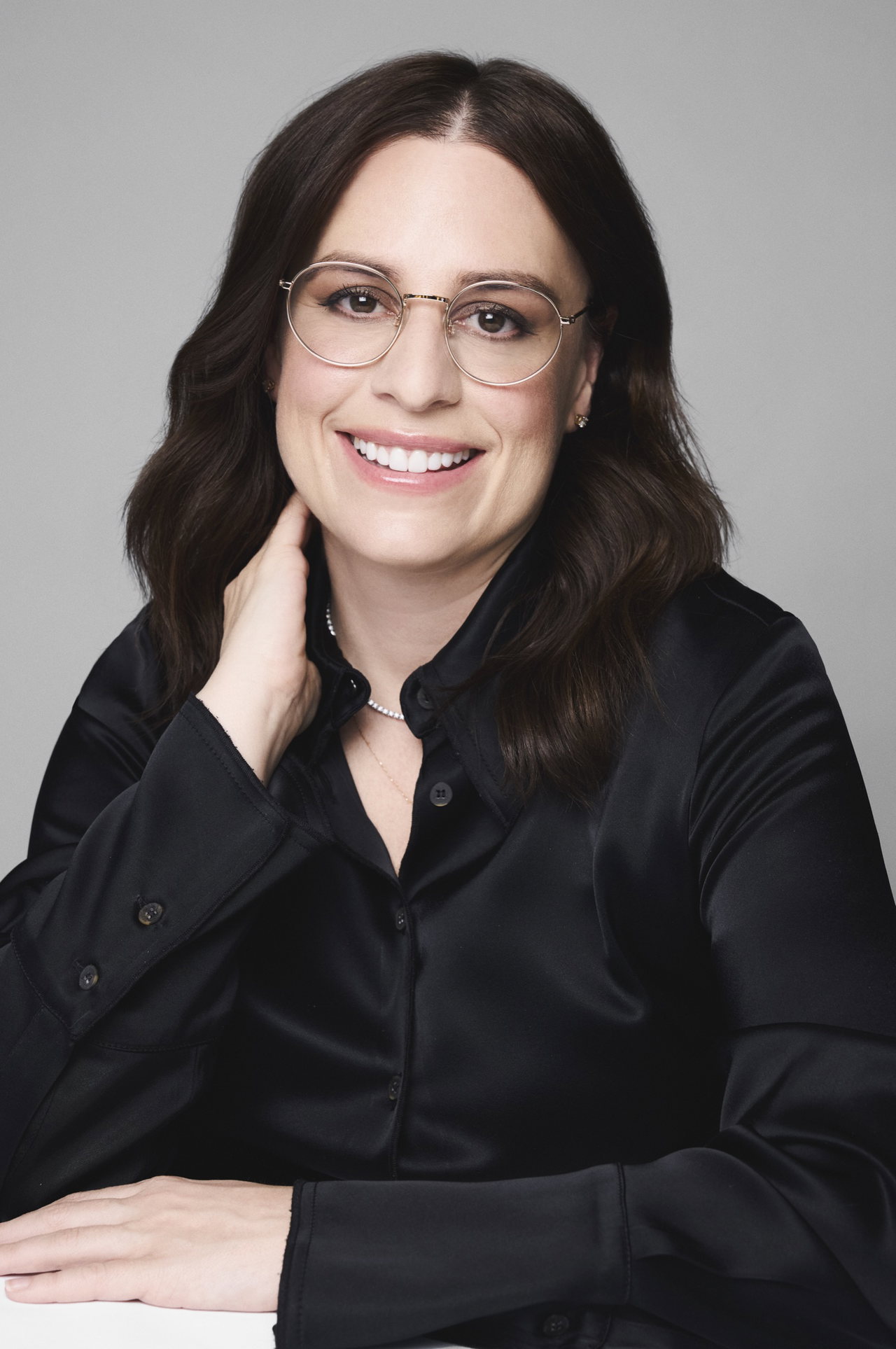
Rachel Ghiazza joined Audible in 2019 as SVP for Content Acquisition and Development. She became EVP, Head of US Content in 2020 and Chief Content Officer in 2023. Prior to Audible, Rachel was at Spotify where she held a variety of roles including leading the Global Content Experiences team and was a key contributor to Spotify’s global growth and success. Rachel also held leadership roles in the Content teams at Viacom and Yahoo!. She has a background in information systems and broad experience in content strategy, development, and acquisition for music, video, TV and podcasts. She has an MBA from the University of Southern California.